
Function 1, Negative reinforcement
Avoiding distress from situations or stimuli at school
Parts of the school environment trigger unpleasant physical symptoms or general distress — a place, a sensory experience, or specific people.
The validated tool for pinpointing the real driver behind a child's school refusal — and the first step that makes everything else work. Free for parents and school teams.
Based on Kearney & Albano's framework

School avoidance, sometimes called school refusal, occurs when a child regularly resists attending school or struggles to remain there for the full day. It often begins gradually — skipping the occasional day, stress on Sunday nights, pretending to be sick — and slowly becomes a pattern that's harder to manage.
At first the signs are easy to dismiss: a stomachache before a math test, a meltdown after a tough social day, a child hiding in their room on a school morning. Over time those small signals accumulate into a consistent struggle that disrupts academic progress, family routines and emotional wellbeing.
Importantly, school avoidance isn't about laziness or manipulation. These children are not “being dramatic” or “just testing limits.” Their distress is real, and their behaviour is often a coping mechanism for something deeper.
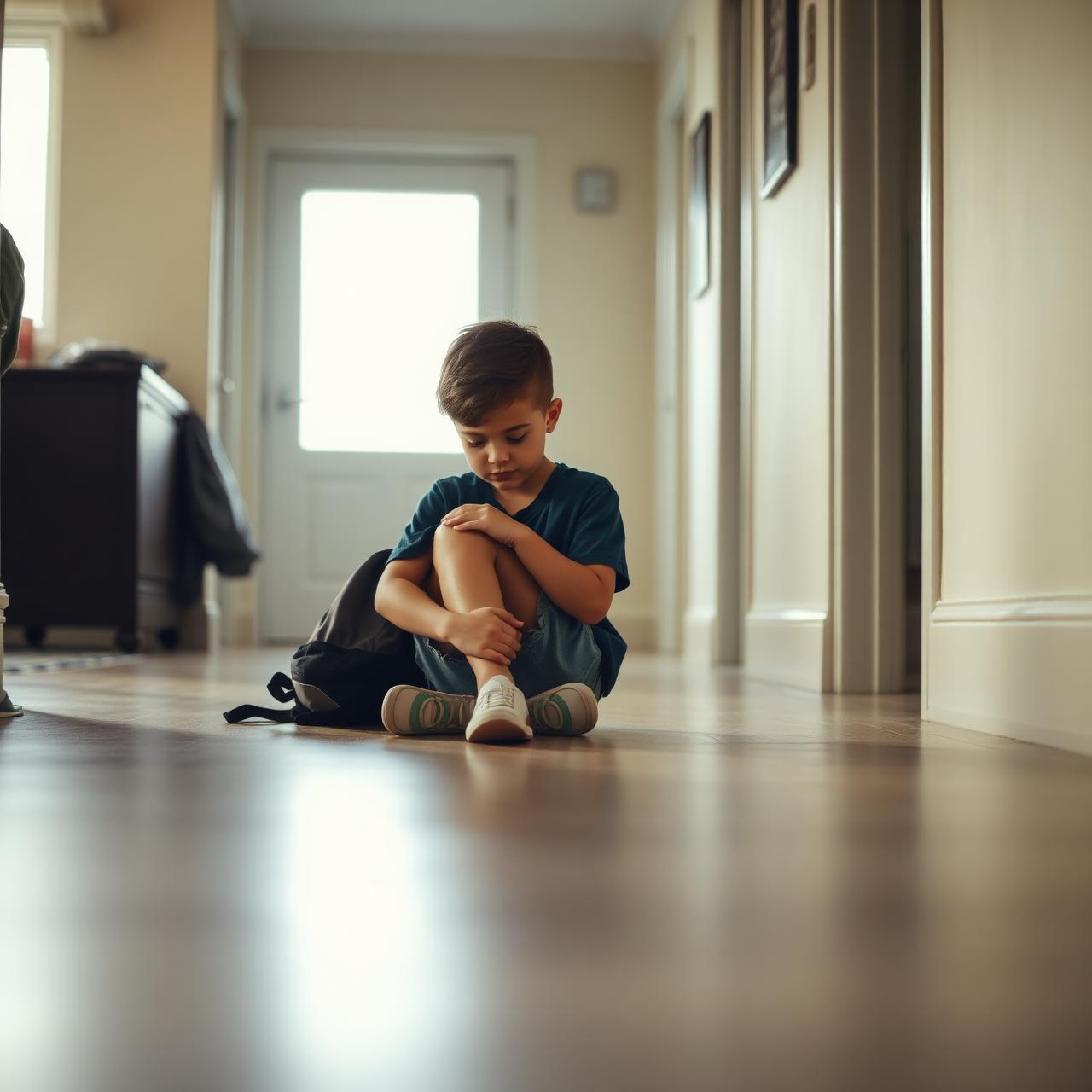
If you're asking this question, it likely means something at home is feeling off — and that's valid.
You may notice tearful mornings, physical complaints before school, resistance on specific days, or strong reactions to particular teachers or subjects. Some children make it into the building but visit the nurse constantly or ask to come home early.
Other signs are quieter: avoiding homework altogether, a sudden drop in performance, irritability when school is mentioned, lashing out on weekday mornings, or increased anxiety at night.
You don't need a formal diagnosis to take action. If the behaviour is causing stress, disrupting family routines or interfering with learning, it's time to look deeper.

Dr. Christopher Kearney and Dr. Anne-Marie Albano outline four key “functions” behind school refusal. These aren't arbitrary categories — they're frameworks that uncover what's driving your child's avoidance and guide the right intervention.
Function 1, Negative reinforcement
Parts of the school environment trigger unpleasant physical symptoms or general distress — a place, a sensory experience, or specific people.
Function 2, Negative reinforcement
The child fears being judged, evaluated or watched — common with social anxiety, perfectionism, or a history of academic struggle.
Function 3, Positive reinforcement
Rooted in connection, not in school itself. The child wants to stay close to a caregiver, often after an illness, a loss, or a family change.
Function 4, Positive reinforcement
Often develops on top of the others. What began as escape becomes reinforced by the safe, cocoon-like comfort of home.
Before you can choose the right next step, you need to know which function — or combination — is actually driving the behaviour. These are the real-world examples from the original framework.
Negative reinforcement, Aversive — the child seeks to escape
Parts of the school environment trigger unpleasant physical symptoms or general distress — a place, a sensory experience, or specific people.
Common examples
Function 4 often layers on top of the others — which is why early intervention matters so much.
The School Refusal Assessment Scale – Revised, developed by Dr. Kearney and Dr. Albano, is a short research-backed questionnaire that maps your child's behaviour onto the four functions. Instead of guessing, you get a clear picture of the primary driver.
The right intervention depends entirely on the right function. A child avoiding school because of social anxiety (Function 2) needs a very different approach than a child attached to the comfort of home (Function 4). Skip this step and families spend months on approaches that don't match the real cause.
Parent version (SRAS-R-P) — what you observe from the outside
Child version (SRAS-R-C) — what your child experiences internally
Comparing both often reveals important gaps between the two.
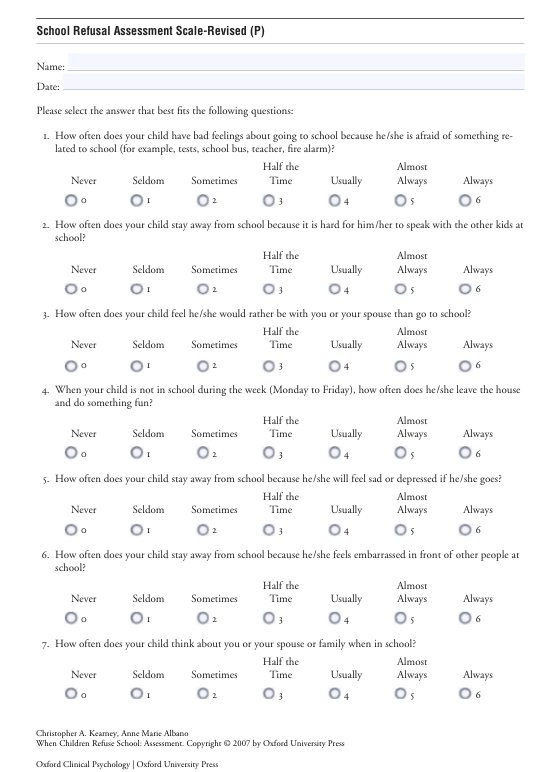
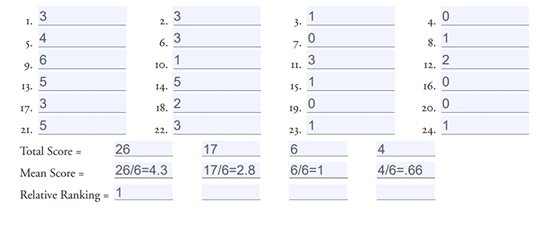
Each question corresponds to one of the four functions. After completing the assessment you calculate the mean score for each of the four columns — one column per function. The column with the highest mean score points to the primary function driving your child's school avoidance.
In the example, column 1 scores highest (4.3) — avoidance driven by distress from specific situations or stimuli at school. If two columns are close, more than one function may be at play, which is common.

Most children aren't avoiding school for a single reason. Emotional, neurodivergent, cognitive and environmental factors usually overlap — and that's what makes school refusal so complex.
Generalized anxiety, panic, separation anxiety, OCD tendencies, PTSD, selective mutism and emetophobia — often alongside depression, chronic overwhelm and emotional burnout.
For autistic students, the traditional school day can mean severe sensory overwhelm and social fatigue. ADHD adds chronic struggles with attention, impulse control and regulation.
Dyslexia, dyscalculia, dysgraphia, executive functioning deficits and slow processing speed create academic shame — even a highly intelligent child can shut down.
Bullying, social isolation, a conflict-heavy teacher relationship, a move, a transition to middle or high school, grief, family illness or the loss of a pet.

School avoidance used to be interpreted through a narrow lens focused on what was “wrong” with the child — or with the parents. Current research shows the school environment itself is often a major contributing factor.
A key question: does your child have a “safe person” in the building?
A trusted teacher, counsellor, case manager or nurse who provides co-regulation and belonging. Without that relational anchor, even routine school demands feel unmanageable.
Frequent headaches or stomachaches with no medical explanation
Refusing to get dressed or leave the house on school mornings
Constant trips to the school nurse
Avoiding homework or classroom discussions
Increased irritability, clinginess or emotional withdrawal
Big weekend mood shifts — fine on Friday, falling apart by Sunday evening
All of these behaviours are valid communication. They point to a nervous system that's overwhelmed.
Your first instinct might be to coax, reason or discipline. But school avoidance is rarely resolved through logic or willpower — it's rooted in fear, shame or overwhelm. Identifying the underlying cause comes before any plan.
Once you understand the reason behind the behaviour, you can pursue the right kind of support. These are the gold-standard treatments for school refusal.
01
Helps children identify the negative thought patterns that drive avoidance and teaches new, more adaptive ways of thinking and coping.
02
Gradually and gently reintroduces the feared activity — school — in small supported steps until the fear becomes manageable.
03
SPACE coaches parents to reduce unintentional reinforcement. DBT helps teens with emotional regulation. IEPs, 504 plans and sensory accommodations support the school day itself.

While therapy is crucial, your daily support matters just as much. These four strategies are where most families start.
Acknowledge the fear, but avoid letting them skip every time they're distressed. “I know this feels really hard. I'm going to help you through it.”
A calm, predictable morning routine — even if it ends in refusal — reduces chaos and shows consistency.
Keep the home environment low-stimulation: no gaming, movies or treats that reinforce avoidance.
Note when avoidance happens, the likely triggers and how your child responds. This informs professionals and therapy plans.
Anxiety-based school avoidance is a classic fight, flight or freeze response. Anxiety itself is normal — it becomes problematic when the amygdala misinterprets or magnifies a threat and keeps reinforcing it, establishing it as a learned response and building anxiety pathways.
Understand what's really going on — then decide how to help. Get the free SRAS-R, or join 600+ parents navigating this together for $27/month. Cancel anytime.
Jayne Demsky, Founder, School Avoidance Alliance